Runners often buy a second pair because the first one felt good, then wonder whether they are supposed to alternate. A rotation is useful, but not for the reason most shoppers think. It is less about owning more shoes and more about managing foam recovery, surface wear, and the small signals that tell you a pair is finished.
What a rotation actually does
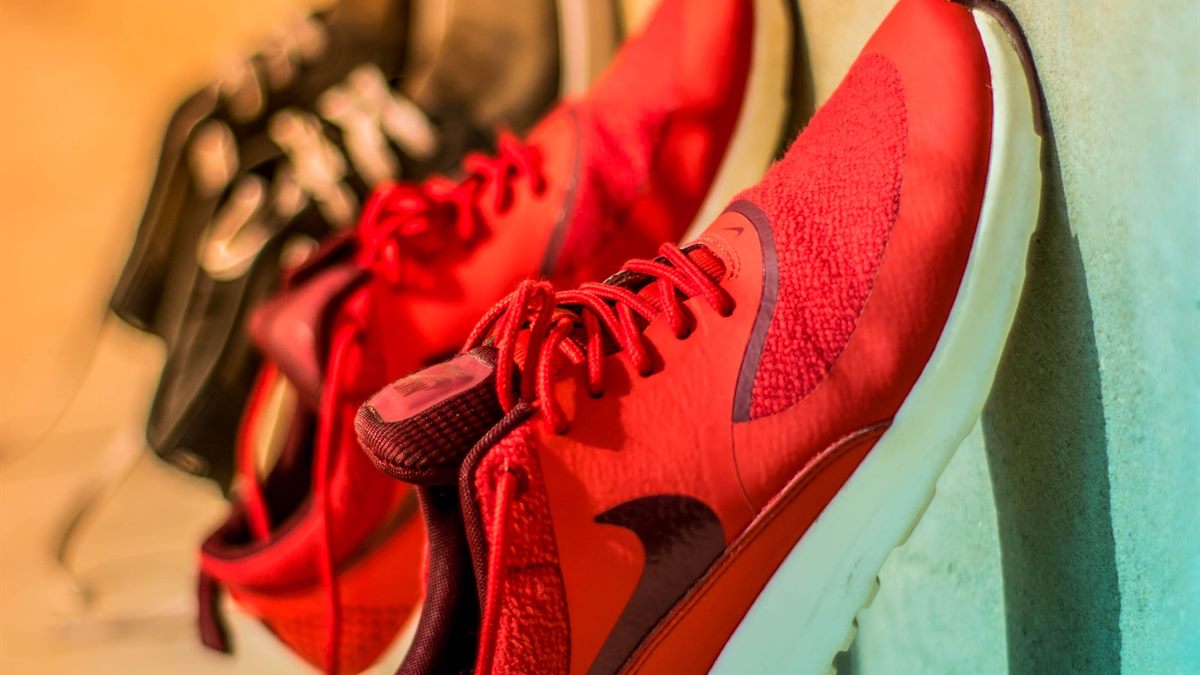
Modern running shoes use foam midsoles that compress under load. Some foam recovers quickly and some takes a day or more to return to its original thickness. Alternating pairs gives each shoe time to rebound and reduces the chance that every run happens on a fully compressed midsole.
A rotation also spreads outsole wear. If you run the same route in the same shoe every day, the same edge of the heel or forefoot wears first. Two pairs used across the week can distribute that pattern and make each pair last a little longer in practical terms, even if the total mileage is unchanged.
Two pairs are enough for most runners
You do not need a wall of shoes. One daily trainer and one alternative is a sensible setup: a second pair of the same model if it works, or a shoe with a slightly different stack and feel for variety. Keep both in the same general category unless a coach has given you a specific reason to add a race shoe or a trail shoe.
If you run fewer than about fifteen to twenty kilometres a week, a rotation is optional. A single pair that fits well and feels comfortable is better than two mediocre pairs bought in a sale.
Match the shoe to the surface
Road shoes on smooth pavement, trail shoes on loose or wet ground, and a pair you do not mind getting muddy for the messy days. Using road shoes on sharp gravel accelerates outsole wear; using aggressive trail lugs on pavement feels unstable and wears the lugs down quickly.
If most of your running is on a treadmill, a lightweight daily trainer is usually enough. The belt is forgiving, and a heavily cushioned shoe can feel sluggish indoors.
How to track mileage without an app
- Write the purchase date inside the tongue.
- Log weekly kilometres in a notes app or paper calendar.
- Rotate by feel rather than a strict schedule: easy days in the softer pair, faster days in the firmer one.
- Check the outsole every month for worn edges or exposed midsole.
- Retire a pair when the ride feels flat, not only when the tread looks smooth.
Signs a shoe is finished
Common retirement signs include a compressed midsole that no longer springs back, wrinkles in the foam, a shoe that feels wider or sloppy, and new aches in the feet, shins, or knees that appeared without a training change. None of these is a precise test, but together they are more useful than a single mileage number.
Many daily trainers last roughly 500 to 800 kilometres, but body weight, surface, stride, and foam type move that range a lot. A heavier runner on hot asphalt may retire a pair sooner; a lighter runner on a treadmill may get more. Replace when the shoe stops doing its job, not when a website says so.
Storage and care that extend life
Let wet shoes air-dry at room temperature, stuff them with newspaper if they are soaked, and avoid radiators or direct sun. Heat can warp the upper and degrade adhesive. Do not machine-wash running shoes unless the manufacturer explicitly allows it; the agitation can break down foam and glue.
Loosen the laces before pulling a shoe on, and use a shoe horn if the heel collar is soft. Small habits keep the structure intact and make the rotation easier to maintain.
When a rotation is not the answer
If pain is sharp, one-sided, or worsening, a new shoe is not a diagnosis. See a clinician or physiotherapist, especially if the pain persists after rest. A rotation can reduce repetitive stress, but it cannot fix a training load that is too high or a technique issue that needs attention.
For the aerobic side of the plan, pair the shoes with an easy pace found in zone 2 heart rate. Mayo Clinic's running shoe guidance covers fit and replacement in more detail.
Frequently asked questions
Do I need two pairs of running shoes?
Not necessarily. A rotation helps if you run often, but one well-fitting pair is fine for lower weekly mileage. Two pairs become useful when you want foam recovery or different surfaces.
How many kilometres do running shoes last?
Many daily trainers last around 500 to 800 kilometres, but weight, surface, stride, and foam type change that range. Replace when the ride feels flat or new aches appear.
Can I wash running shoes in a machine?
Avoid it unless the manufacturer allows it. Machine washing can degrade foam and adhesive. Air-dry wet shoes at room temperature and keep them away from direct heat.
Should I alternate shoes every day?
Alternate by feel and surface rather than a strict schedule. Giving each pair a day to recover is enough; the goal is to avoid every run on the same compressed midsole.
Read next
Zone 2 Heart Rate Without a Lab Test
Zone 2 is not a magic number on a watch. It is the pace where you can still talk in full sentences, and most people can find it without a lab.