Protein powder is easy to market because it looks like a shortcut. For most people who train recreationally, it is a convenience product, not a requirement. The same amino acids are in eggs, dairy, fish, meat, beans, lentils, and tofu, and food brings a wider package of nutrients along with them.
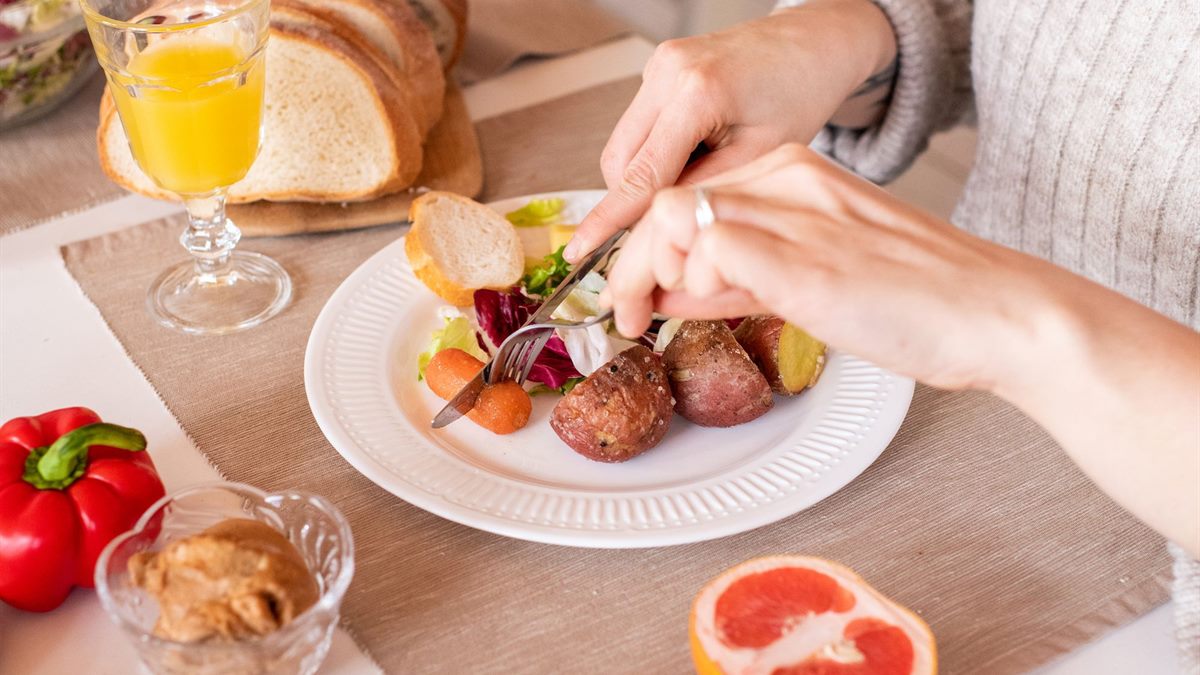
Set a target you can actually hit
A common general range for active adults is about 1.2 to 1.6 grams of protein per kilogram of body weight per day, with higher intakes sometimes used during a calorie deficit or for older adults. That range is broad on purpose: individual needs vary, and a clinician or dietitian can give a more specific target.
Do not aim for a perfect number on day one. Find your current intake roughly, then add one protein-rich food to a meal that usually lacks it. Consistency across the week matters more than a single high-protein day.
Spread it across meals
Most people eat the majority of their protein at dinner. Moving some to breakfast and lunch makes the daily target easier and may support muscle protein synthesis better than one large dose. A practical anchor is a palm-sized portion at each main meal, plus a protein snack if the day is long.
You do not need to eat every three hours. Three or four meals with a reasonable protein portion is enough for most recreational lifters.
A short list of food-first sources
- Eggs and Greek yoghurt for breakfast.
- Chicken, fish, lean meat, or tofu at lunch and dinner.
- Lentils, chickpeas, and beans as a base or a side.
- Cottage cheese, milk, or fortified soy milk for a snack.
- Nuts and seeds as a supporting source, not the main one.
Build meals around the protein
Start with the protein, then add a carbohydrate, a vegetable, and a fat. A simple plate might be fish, rice, roasted vegetables, and olive oil; another might be tofu, noodles, greens, and sesame. The protein does not need to be expensive or plain.
For vegetarian diets, combine sources across the day: beans with rice, tofu with grains, dairy with cereal, or soy with seeds. Plant proteins can meet the target when the total intake and variety are adequate.
Is a shake ever useful?
Yes, in specific situations: a very busy day, a small appetite, a vegetarian diet that struggles to reach the target, or a post-training meal that would otherwise be hours away. A shake is fine as a supplement to food, not a replacement for meals. Choose one with a protein content you can verify and a short ingredient list you recognise.
Powder is not a magic recovery window. Total daily protein and overall energy intake matter more than drinking something within minutes of the last set.
What about timing around training?
Eating a meal with protein and carbohydrates within a few hours before or after training is a reasonable habit. The exact window is less important than the daily total. If you train early and cannot eat beforehand, a small protein-containing snack afterwards is enough to start recovery.
Hydration belongs in the same plan; see hydration for training. Harvard's protein page covers sources and evidence in more detail.
Frequently asked questions
Do I need protein powder to build muscle?
No. Food sources such as eggs, dairy, fish, meat, beans, and tofu can meet a practical target. Powder is a convenience option when meals are difficult to fit.
How much protein should I eat per day?
A common general range for active adults is about 1.2 to 1.6 grams per kilogram of body weight. Individual needs vary, so a clinician or dietitian can give a more specific target.
Can plant proteins be enough without shakes?
Yes, when total intake and variety are adequate. Combine beans, lentils, tofu, soy milk, grains, nuts, and seeds across the day rather than relying on a single source.
Is it better to eat protein right after training?
A meal within a few hours before or after training is a reasonable habit, but the daily total matters more. The exact post-workout window is not as important as consistent intake.
Read next
Hydration for Training Without Overdrinking
Hydration advice often starts with a fixed number of litres. A better plan starts with thirst, colour, and the length of the session in front of you.