Adjustable dumbbells solve a space problem, but they add moving parts. A fixed dumbbell is a handle and a head; an adjustable one has a selector, a cradle, and plates that must lock in the right position. A small inspection routine keeps those parts working and catches the failures that matter.
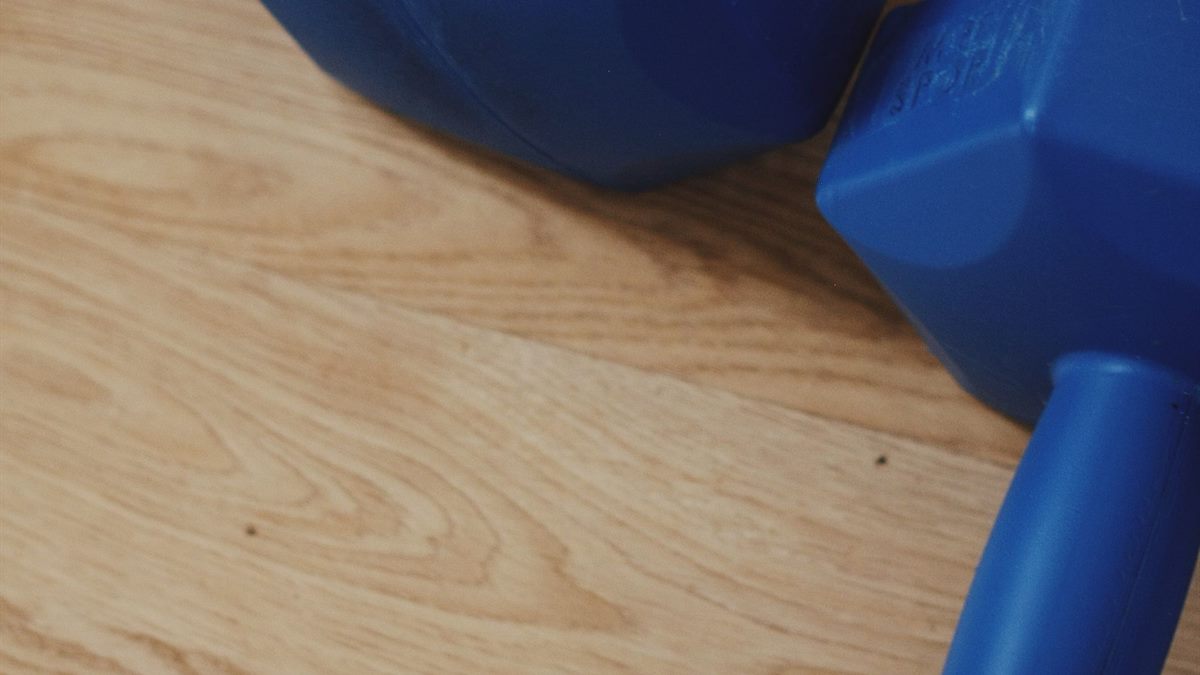
Check the handle and locking mechanism
Before each session, set the dumbbell in its cradle and cycle through the weights you plan to use. Listen for a positive click and try to lift the handle without the plates. If a plate moves, the selector is not fully engaged. Stop and reset it before adding load.
Inspect the handle for cracks, loose end caps, and worn grips. A handle that rotates independently of the plates or feels loose at the collar should be taken out of service until you can inspect it properly.
Look at the plates, not just the paint
Chips in the coating are cosmetic; cracks, deep gouges, and loose inserts are not. Run a hand around each plate and check the edges. A cracked plate can fail under load, and a loose insert can shift the weight distribution.
For selectorized dumbbells, check the plastic or metal housing for cracks around the locking pins. If the housing is damaged, the dumbbell may still feel secure in the cradle but fail during a press or row.
Respect the drop rule
Adjustable dumbbells are not designed to be dropped. The impact can bend a pin, crack a plate, or break the cradle. Lower them under control, even on the last rep. If you cannot control the descent, the weight is too heavy for that set.
This is also why adjustable dumbbells are a poor choice for high-rep circuits that end with a deliberate drop. Use a fixed pair for that style of training, or reduce the load and keep the tempo controlled.
Storage that protects the mechanism
- Keep each dumbbell in its cradle or on a flat, stable rack.
- Do not stack plates on top of the handle or selector.
- Store in a dry room; moisture can rust metal parts and degrade grips.
- Keep the cradle clean so plates seat fully.
- Do not store them loaded on a bench where they can roll off.
Cleaning without damaging the finish
Wipe the grips with a damp cloth and mild soap, then dry immediately. Avoid solvent-based cleaners on plastic housings and painted plates. A soft brush removes chalk and dust from the selector area; compressed air can push debris deeper, so use it sparingly and from a distance.
If the grip becomes slick, clean it rather than applying oil. Oil attracts dust and makes the handle harder to hold.
When to retire a pair
Retire the dumbbells if the selector no longer locks consistently, the handle is cracked, a plate is cracked or missing, or the cradle is deformed. Do not try to weld or glue a loaded weight. Replacement parts may be available from the manufacturer; if not, the pair is no longer worth the risk.
A pair that has been dropped hard should be inspected even if it looks fine. Internal damage is not always visible, and a failure at the top of a press is not the place to discover it.
Build the check into the session
Two minutes at the start is enough: cycle the selector, check the plates, and confirm the cradle is stable. If something feels different, stop and look. Most equipment problems announce themselves before they become injuries.
For the buying decision that comes before maintenance, see your first home gym. The CPSC's exercise equipment safety page covers broader inspection habits.
Frequently asked questions
Can I drop adjustable dumbbells?
No. They are designed for controlled use. Dropping can bend pins, crack plates, or damage the cradle. Lower them under control, and reduce the weight if you cannot.
How often should I inspect adjustable dumbbells?
A quick check before each session and a deeper inspection once a month is a practical routine. Look for loose collars, cracked plates, and a selector that does not lock positively.
How do I clean adjustable dumbbells?
Wipe grips with a damp cloth and mild soap, then dry immediately. Avoid solvents on plastic housings and painted plates. Keep the cradle clean so the plates seat fully.
When should I replace adjustable dumbbells?
Replace them if the selector no longer locks, the handle or a plate is cracked, or the cradle is deformed. Do not repair a loaded weight with glue or welding.
Read next
Your First Home Gym: What to Buy, In What Order
A home gym is a small set of tools you will actually use, not a showroom. Buy in an order that keeps early sessions possible while the setup grows.