Home gym shopping tends to start with a machine and end with a spare room full of equipment that does not fit the training. A better approach is to buy in the order that removes the biggest obstacle first: space, then resistance, then the few extras that make sessions repeatable.
Start with the space, not the equipment
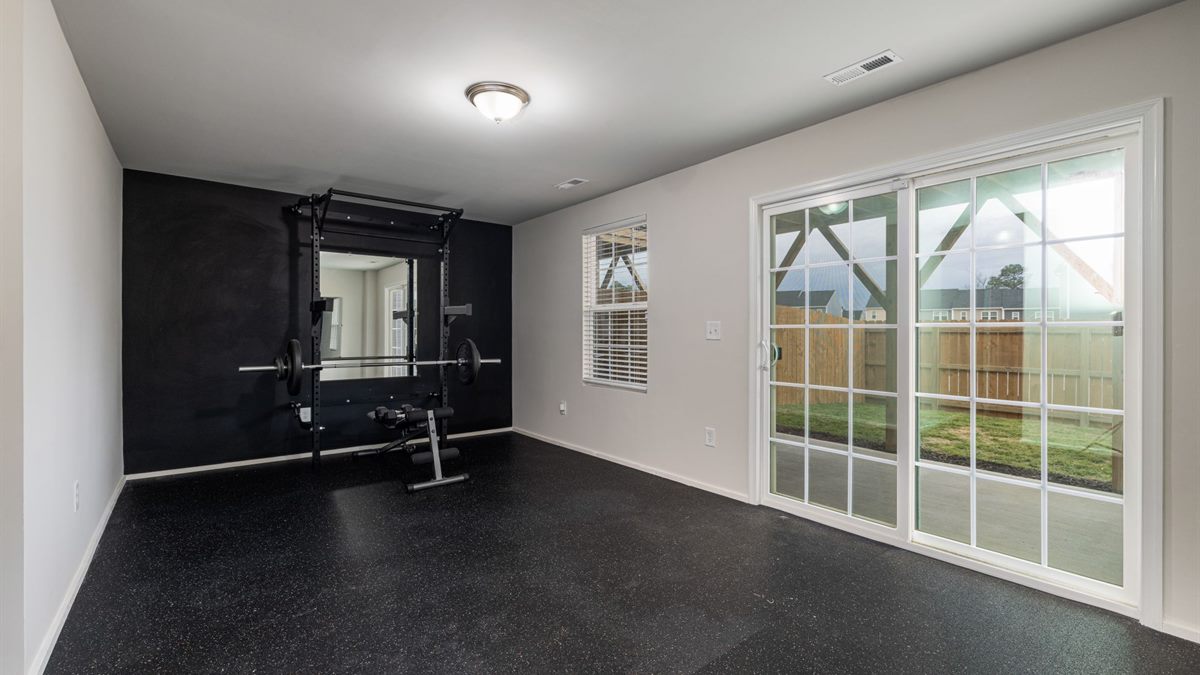
Measure the floor area and the ceiling height. You need enough room to lie down, stand up, and move a weight without hitting a wall or a light fitting. A spare two by three metres is comfortable; a corner of a room can work if the movements are chosen carefully.
Check the floor. Concrete handles load; a suspended wooden floor may need a mat and a more careful choice of exercises. Rubber tiles protect the surface and reduce noise, but they are not a substitute for a structure that can carry a heavy rack.
First purchase: adjustable dumbbells
If you can buy only one thing, make it a pair of adjustable dumbbells or a set of dumbbells across a useful range. They cover pressing, rowing, lunging, carrying, and most accessory work. A fixed set of three or four pairs is easier to use but takes more space; adjustable dumbbells save space but need careful handling.
Choose a range that lets you press and row with a challenge, not just the lightest weight. A pair that tops out too low becomes a warm-up tool within months. Check the maximum load per hand and the size of the increments before buying.
Second purchase: a bench
A sturdy flat bench opens up pressing, supported rows, step-ups, and split squats. Look for a stable base, a comfortable pad, and a height that lets your feet reach the floor during a press. An adjustable bench adds incline work but costs more and takes more space; it is optional for a first setup.
Do not buy a bench that wobbles or has a narrow base. Stability matters more than the number of positions.
Third purchase: bands and a mat
Resistance bands are cheap, small, and useful for warm-ups, rows, face pulls, and mobility. A mat protects the floor and makes floor work more comfortable. Add a pull-up bar only if you have a safe place to mount it and can already control your bodyweight.
Storage comes next: a small rack or bin for dumbbells, a hook for bands, and a place for the mat. Equipment left on the floor is equipment that gets tripped over.
What to delay
- A full power rack before you have a consistent three-day habit.
- A treadmill or rower before you know which cardio you will actually do indoors.
- Machines that train one muscle group and take a large footprint.
- Matching sets of everything before you know your working weights.
- Extra accessories that duplicate a movement you already own.
Set a realistic budget
Spend the most on the items that take load and touch your body: dumbbells, bench, and flooring. Save on bands, mats, and storage. Second-hand weights are often fine if the handles are intact and the plates are not cracked; inspect before buying and avoid anything with damaged threads or loose collars.
A simple setup can be built over several months. Buying one good pair of dumbbells now is better than financing a complete gym that arrives before the habit does.
Make the space easy to use
Keep the mat out, the dumbbells at waist height, and a small notebook nearby. If setup takes five minutes, the session is less likely to happen. A mirror helps some people check form; a phone stand for filming is cheaper and often more useful.
Once the equipment is in place, maintenance becomes part of the routine; see adjustable dumbbell care. The CPSC's exercise equipment safety page covers inspection and anchor points.
Frequently asked questions
What should I buy first for a home gym?
Adjustable dumbbells or a small range of dumbbells first, then a sturdy flat bench, bands, and a mat. Buy a rack or cardio machine only after the basic habit is established.
How much space do I need for a home gym?
A clear area of about two by three metres is comfortable. A smaller corner can work if you choose exercises that fit and keep enough room to lie down and stand up safely.
Are adjustable dumbbells worth it for beginners?
They save space and cover most beginner movements, but check the maximum weight and increment size. If the top weight is too low, they become warm-up tools quickly.
Can I build a home gym on a wooden floor?
Yes, with care. Use protective flooring, avoid dropping weights, and keep heavy racks on a surface that can carry the load. Check the structure if you plan to lift heavy regularly.
Read next
Adjustable Dumbbell Care: Inspection and Storage
Adjustable dumbbells fail in boring ways: a loose collar, a cracked plate, a selector that stops locking. A two-minute check keeps them usable and safe.